Owners often ask us the same comparison: if I had to choose on resale alone, would a holiday lodge or a static caravan hold its value better?
The honest answer is: it depends. Lodges usually start higher, feel more "house-like", and can attract stronger private interest on the right park. Statics usually cost less to buy, move, and replace, and they sit in a deep second-hand market. Neither type always wins. What matters is how build quality, park demand, age limits, pitch fees, removal costs, condition and brand stack up for your unit.
As Static Caravan Buyer, we buy both statics and lodges for cash across the UK. This guide is practical valuation thinking, not a promise about any one park or model. Parks, licences and local demand vary. Your agreement and your site office remain the rulebook that applies to you.
What we mean by lodge and static
In everyday UK holiday-park language:
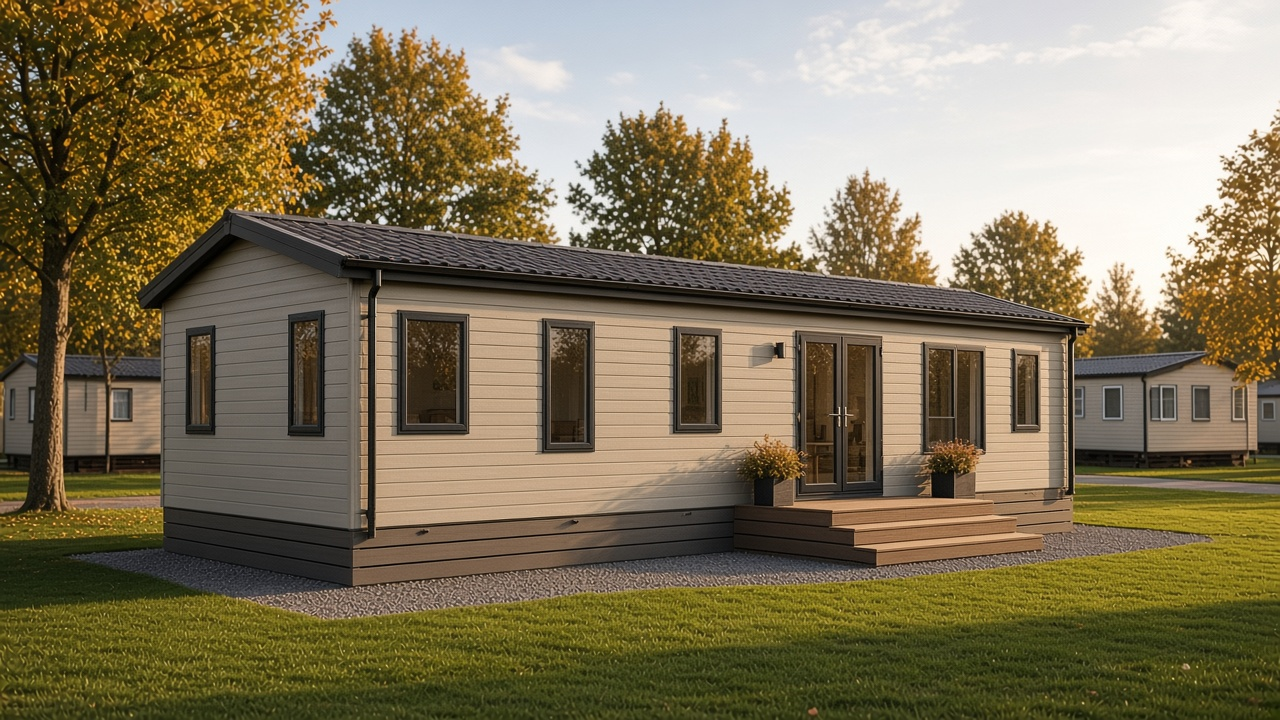
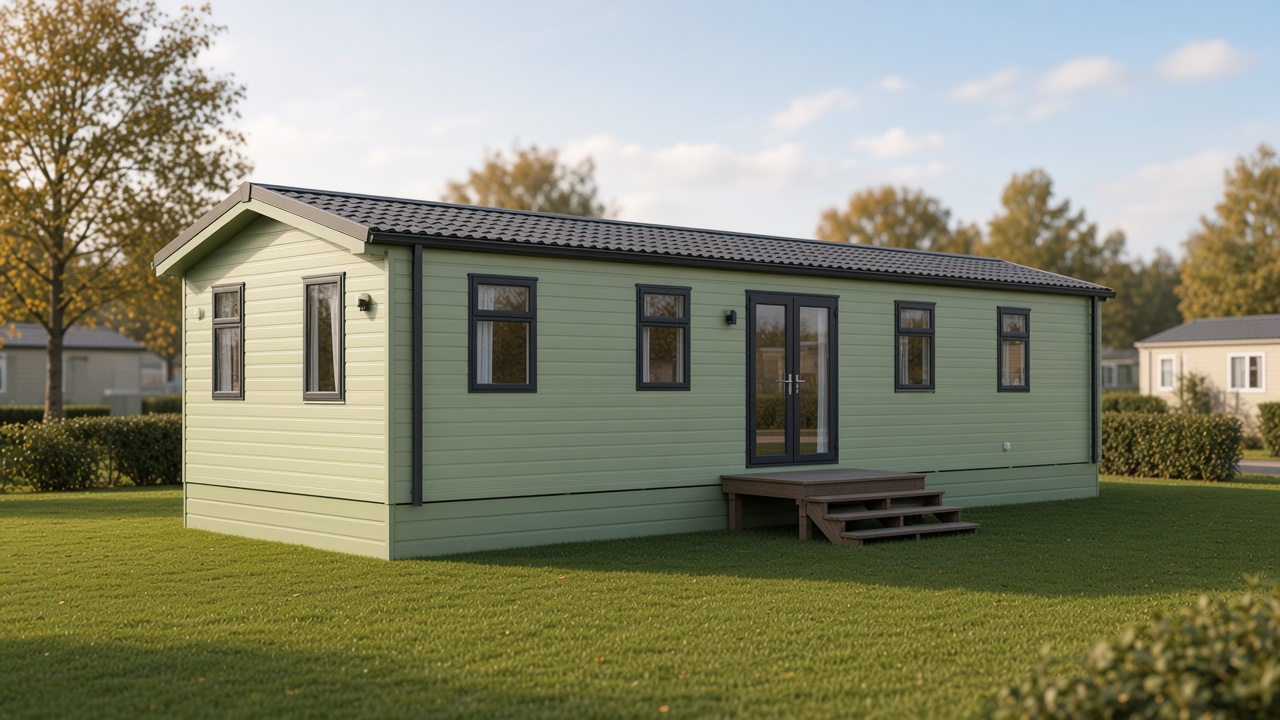
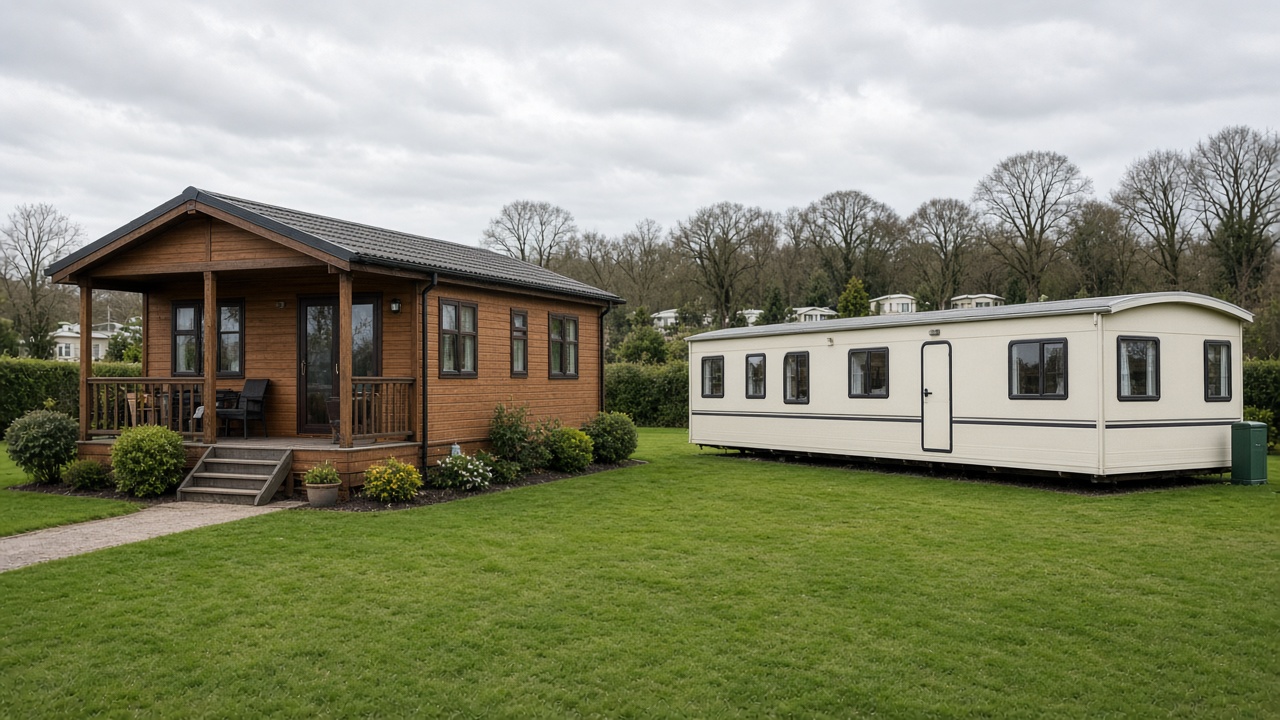
- A static caravan is a single-unit holiday home, typically towing-width when new, designed to sit on a pitch rather than be towed for holidays.
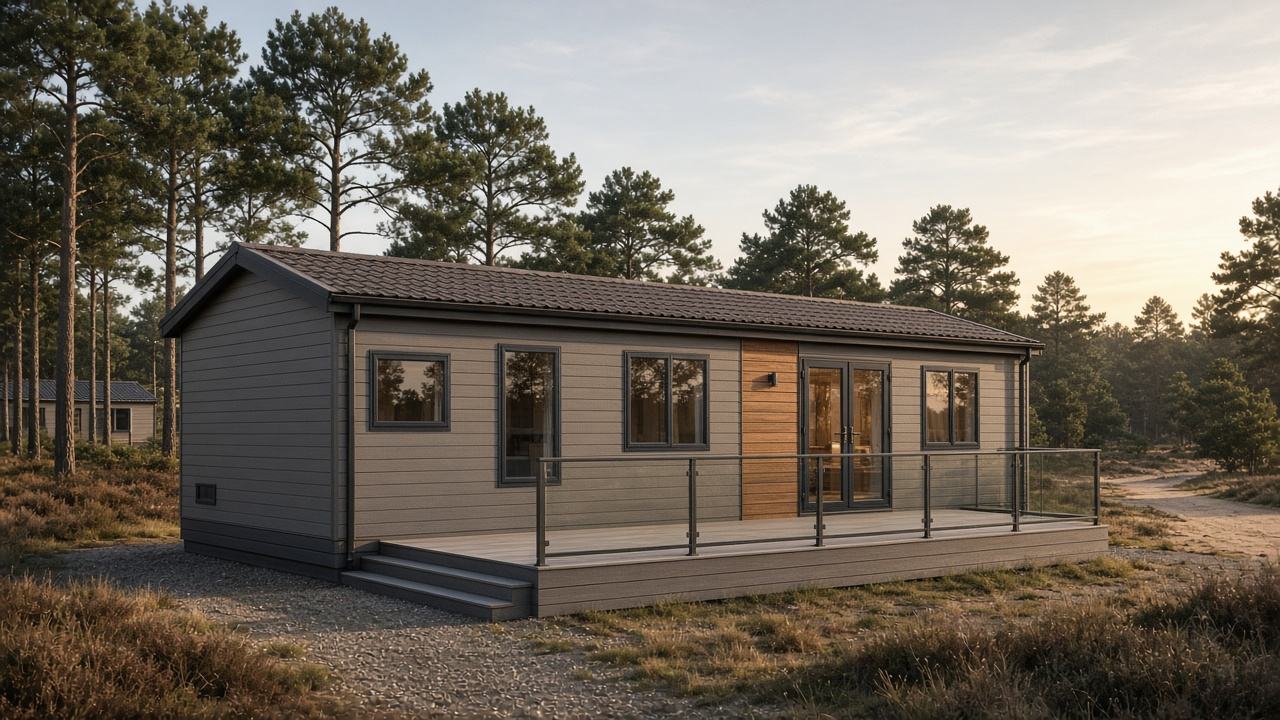
- A lodge (sometimes called a holiday lodge or twin-unit lodge) is usually a larger, more house-like holiday home. Many are twin-unit, more heavily built, and pitched on sites that market a "lodge park" feel.
There is overlap. Some parks sell premium statics that feel lodge-like. Some lodges sit on mixed parks beside statics. For value retention, the useful distinction is less the badge on the door and more: size and build, how the park prices the pitch, how easy the unit is to move, and how buyers rank it against alternatives.
Build quality and first cost
Lodges are often built to a higher structural and finish standard: thicker walls, more permanent services, kitchens and bathrooms closer to domestic housing. That quality can slow visible wear, support longer usable life, and justify a higher asking price when the unit is still desirable on-park.
Statics are engineered for holiday use at a lower purchase price. Good brands and well-kept examples hold up well. Cheaper or poorly maintained ones show age faster: soft floors, tired interiors, damp risk, dated kitchens.
Illustrative only (not a quote or a claim about your model): a new lodge on a popular park might be sold for a much higher retail figure than a new mid-range static on the same site. The higher start price does not automatically mean better percentage retention. It often means a larger absolute drop in pounds if the pitch becomes hard to sell or lodge demand cools.
Takeaway: Lodges often retain more absolute pounds when demand and presentation are strong. Statics can retain a clearer share of their lower starting cost when the second-hand market is active and removal is straightforward.
Park demand: the pitch is half the asset
For an on-park private sale, buyers are rarely buying "just a box". They are buying a holiday home plus a chance to stay on that pitch under the park's rules. Lodge demand is strongest where the park markets lodges as the premium product, facilities match that promise, and assignment is allowed on terms buyers will accept.
Static demand is broader: more parks, more price points, more buyers looking for a holiday home without lodge-level outlay.
If your park is actively selling new lodges and limiting older stock, a well-presented lodge can hold value better than a tired static next door. If fees and rules feel steep to incoming owners, private lodge demand can thin out, and a cash buyer who collects may look sharper by comparison.
Takeaway: Value retention follows park appetite as much as chassis and cladding. The same lodge can be a strong asset on one site and a slow seller on another.
Age limits and usable life
Many UK holiday parks apply age policies: a maximum age for units on site, or pressure to replace once a unit passes a threshold. Exact terms sit in your agreement and park rules.
Age limits affect both types:
- A static approaching a firm age cut-off often sees private on-park interest fall first. Buyers do not want a short remaining licence. Cash buyers who remove the unit still care about age and condition, but they are pricing a movable asset, not a long pitch stay.
- A lodge may enjoy a longer perceived life because of build quality, yet parks can still set replacement expectations. A premium lodge with little remaining permitted life can lose on-park value quickly, even if the building still looks sound.
Takeaway: Neither type "beats" age policy. The better retainer is usually the unit with more usable years left under that park's rules, plus a realistic exit plan if those years are short.
Pitch fees and ongoing cost
Pitch fees (site fees) shape what a buyer will pay for an on-park holiday home. Higher fees need a stronger lifestyle case: views, facilities, season length, location. Lodges often sit on higher fee bands. That can be fine when the park delivers, and bruising when fees rise faster than owners use the pitch.
Statics more often sit in mid fee bands, which can widen the private buyer pool. Fee level alone does not decide value retention. Fee trajectory and what the park offers for the money do. A lodge that looks "worth more" on day one can feel expensive to keep if annual charges climb, which softens private demand and nudges more owners toward a collected sale.
Transport and removal costs
If the sale is off-park (cash buyer collects, or the unit moves to another site), logistics matter.
Statics are generally simpler and cheaper to move than large twin-unit lodges. Specialist haulage and park access still matter, but the cost and complexity gap is real. A lodge move may need more planning, more plant, more time, and a higher haulage bill. Buyers factor that into offers.
That does not make lodges worse assets. It means a lodge's residual value off-park has to clear a higher logistics hurdle. On-park, removal cost matters less. Off-park, it can decide whether a lodge still looks strong against a well-kept static.
Condition, brand and specification
Condition is the great equaliser. A damp, neglected lodge can be worth less to a cash buyer than a clean, dry, mid-age static with honest photos. Buyers look at damp, soft floors, roof and window seals, kitchen and bathroom age, heating and electrics, exterior cladding, decking and skirting, and whether the layout still works for real holidays.
Brand and spec still move the needle. Recognised lodge makers and popular static brands both help when the unit is clean and current. Spec upgrades help when buyers want them: decent heating, practical kitchens, usable outdoor space. Unusual layouts or heavy personalisation can narrow the audience.
Takeaway: Brand prestige does not outrun damp. Spec without demand does not outrun a simple, popular floorplan in good order.
What cash buyers actually weigh
When Static Caravan Buyer (or another cash purchaser) values a unit for collection, the checklist is commercial, not romantic:
- Type and size (static vs lodge / twin-unit), because removal cost and resale channel differ.
- Age and park context, including any known age pressure on that site.
- Condition from photos, description, and where needed an inspection.
- Location and access for collection.
- Paperwork and park process for a lawful, practical removal.
- Realistic resale or onward use once the unit is off the pitch.
Lodges can achieve stronger cash figures when condition and demand justify them. Statics can achieve faster, cleaner deals when they are easy to move and easy to place. A "better" type on paper loses if the pitch is awkward, the unit is wet, or the park process will stall.
Which holds value better in which situations?
Use this as a decision lens, not a scorecard.
A lodge often holds value better when:
- The park has clear lodge demand and allows a workable private assignment
- The unit is a recognised brand/spec in strong cosmetic and structural order
- Enough permitted years remain under park rules to attract an on-park buyer
- Pitch fees still feel justified by the setting and facilities
- You are comparing like-for-like premium holiday homes, not a lodge against a budget static
A static often holds value better when:
- You need a deeper, more price-sensitive private market
- Off-park sale or cash collection is likely, and lower removal cost matters
- The unit is a popular size and brand with clean condition
- Lodge fees or lodge-only pitch rules would shrink your buyer pool
- You are protecting a lower entry price rather than chasing a headline lodge figure
Neither "wins" when:
- Age limits are imminent and on-park sale is blocked or unrealistic
- Condition is poor (especially damp)
- Park rules make assignment difficult and removal expensive relative to the unit's worth
- Expectations are set by the original retail price rather than today's buyer pool
A practical way to decide for your own asset
Ask yourself five plain questions:
- Am I most likely to sell on-park or off-park?
- How many usable years does my agreement and park practice realistically leave?
- Are pitch fees still attractive to an incoming owner like me?
- Is my unit's condition something a cautious buyer would trust from photos?
- For my size and type, is removal cost a small or large share of any cash offer?
If answers favour staying premium on a lodge-friendly park, the lodge case for value retention is usually stronger. If answers point to a collected sale, a wide buyer pool, or a simpler move, the static case often looks steadier.
Illustrative only: two owners on neighbouring pitches might see very different outcomes if one has a dry, mid-age static on a busy mixed park and the other has a large lodge with high fees and a short remaining licence. The lodge is not better or worse in the abstract. Demand, time left, and exit cost decide it.
Free valuation if you are weighing lodge vs static
If you are deciding whether your lodge or static is the stronger asset to keep, improve, or sell, a clear valuation beats guesswork. Static Caravan Buyer offers free, no-obligation valuations on static caravans and lodges across the UK. We buy for cash, arrange collection where we agree a purchase, and help with the park paperwork around removal.
Call 0800 644 5000, or visit https://staticcaravanbuyer.com, and tell us the type, age, park area, and condition as you see it. No hard sell. Just a practical conversation about what typically holds value in your situation, and whether a cash sale is a sensible next step.
Share this article
Ready to Sell Your Caravan?
Get a free, no-obligation cash offer in minutes. We buy any make, model or condition across the UK.
Get Your Free Offer Now