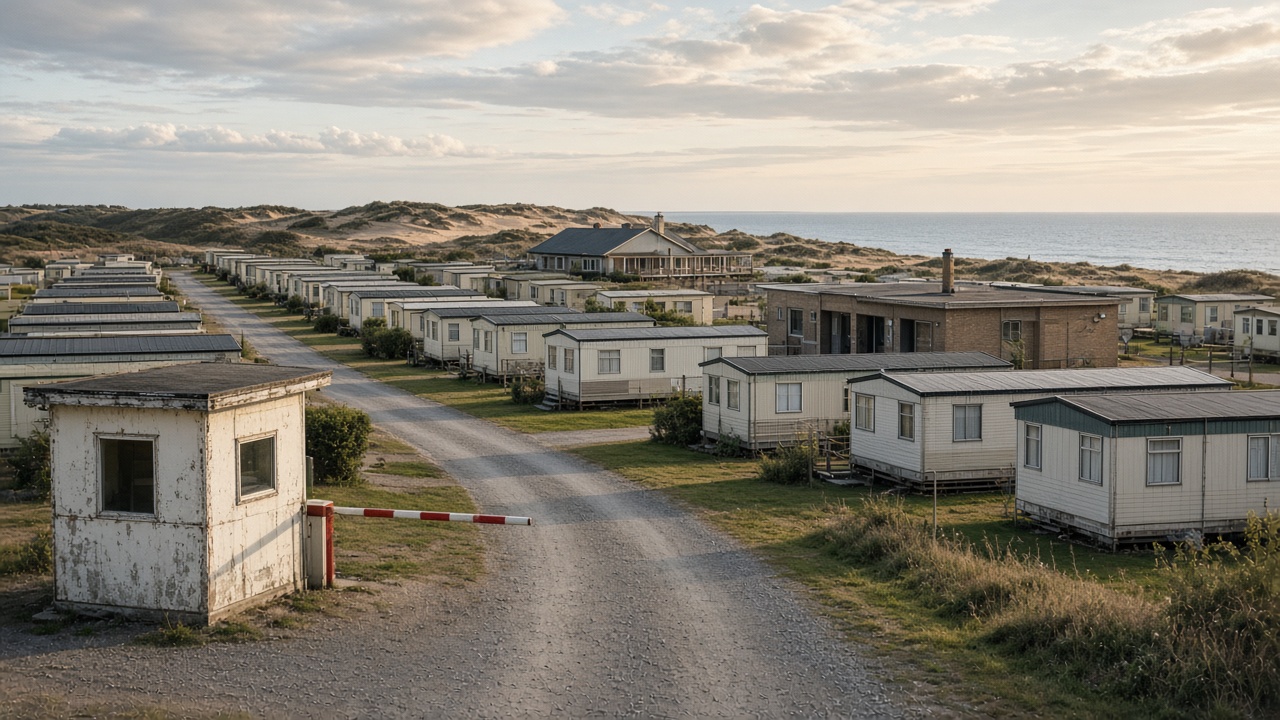

Few things land on a static caravan owner's doormat (or inbox) with quite the same mix of curiosity and mild dread as a letter from the park office. Sometimes it is a cheerful seasonal note. Sometimes it is a fee schedule. Sometimes it is a carefully worded notice that, on second reading, quietly changes your options.
This is not a full primer on age limits or pitch licences. It is about reading the letter in front of you: what the language usually means, what to underline, what to ask, and how the same notice feels different if you plan to keep the van or sell it.
Start with the header, not the scare phrases
Before you react to bold caps or a deadline in the first paragraph, check the basics:
- Who sent it? Park manager, site office, head office, licence administrator, or a third-party compliance firm?
- Who is it addressed to? Named pitch holder, "the owner", or "occupier"? Wrong name or outdated address is worth flagging early.
- What is the date on the letter, and when did you receive it? Those two dates are not always the same, and response windows often run from the letter date.
- Is there a reference number? Pitch number, agreement number, account code. Quote it in every reply.
- Is it marked "for information", "consultation", or "action required"? Parks do not always label urgency clearly, but when they do, treat that label as a first filter, not the whole story.
A calm first pass saves you from treating a routine winterisation reminder like a must-replace ultimatum.
The common letter types (and what they usually mean)
Most park correspondence falls into a handful of buckets. Knowing the bucket helps you decide how fast to move.
Age-limit and "must replace by" notices
These flag that your unit is approaching (or has passed) the park's maximum age for that pitch or licence. Typical tells:
- A stated maximum age or model-year cut-off
- A date by which the unit must be removed, upgraded or replaced
- Wording about "continuing occupation", "licence eligibility" or "park standards"
What to look for: the exact cut-off date, whether grace periods are mentioned, and whether the letter talks about removal only or also about selling or assigning before that date. Vague lines such as "in due course" or "at the park's discretion" need follow-up in writing.
Urgent if a hard date is inside the next season. Routine if it is an early heads-up with years still on the clock. Either way, the letter affects saleability: buyers and cash buyers will ask when the park expects the van to leave.
Site-fee and pitch-fee increases
Fee letters often arrive with next season's tariff, sometimes late enough to feel abrupt. Check:
- Old fee vs new fee (and the percentage rise)
- What the fee covers (pitch, services, rates, club membership, metering)
- Effective date and payment deadlines
- Any reference to your written agreement's review clause
Ask for a breakdown if the rise is bundled. A single headline figure can hide new service charges. For keepers, this is a budget question. For sellers, a sharp rise can motivate a sale, but it also becomes a fact you should disclose honestly to interested parties.
Licence renewals and assignment conditions
Renewal letters sit close to the heart of park life. They may confirm that your pitch licence can continue, or they may set conditions for renewal, transfer or assignment if you sell.
Underline anything about:
- Renewal term length
- Fees or admin charges for renewal or assignment
- Park approval of a buyer
- Requirements to use the park's sales process or preferred agents
- Restrictions on advertising or "for sale" boards
Light cross-check against your existing agreement is wise. The letter should not invent brand-new rules out of thin air, but parks do update procedures. If selling is on your mind, assignment wording matters as much as the renewal itself.
Pitch rules, site standards and "housekeeping" updates
These cover parking, pets, noise, decking size, skirting, sheds, hot tubs, washing lines, and the small print of living on a managed park. They can feel fussy. They can also foreshadow enforcement.
Ask yourself: is this a general park-wide update, or is it aimed at your pitch after an inspection? Park-wide notes are usually routine. Pitch-specific compliance notes are more urgent, especially if they mention a re-inspection date.
Winterisation and seasonal closedown letters
Classic autumn reading. Water drain-down, gas isolation, alarm contacts, key-holding, emergency access, and dates when the park closes or reduces services. Mostly routine, but deadlines still matter if missed winterisation can void cover or create liability for burst pipes.
Keep a copy with your insurance papers. If you are selling mid-process through the closedown, note how access and viewings will work while the park is quiet.
Compliance letters: decks, gas and electrics
These deserve a sharper eye. Language may cite safety, insurance, or site licence conditions. Common themes:
- Decking that needs altering, reducing or certificating
- Gas appliance servicing or landlord-style safety expectations (even for owner-occupied statics, parks often set a bar)
- Electrical installation condition reports, consumer unit upgrades, or pitch supply issues
- Skirting, steps, ramps and accessibility adaptations
Urgent when there is a prohibition on use, a disconnect warning, or a short deadline before further action. Routine when it is a seasonal reminder to book your usual engineer. If you plan to sell, incomplete compliance can slow a deal or reduce offers; buyers dislike surprise snagging from the park office.
Vague wording: the bits that hide deadlines and fees
Certain template phrases repay a second read:
- "As soon as possible" without a calendar date
- "May be required" without saying who decides
- "In accordance with park rules" without quoting the clause
- "At the owner's expense" without an estimate
- "Failure to comply may result in..." without naming the next step
- "We reserve the right to..." without saying when that right would be used
Your reply can be polite and precise. Ask for the specific clause, the exact deadline, the fee amount (or how it will be calculated), and whether any right of appeal or discussion exists. Keep it in writing. Phone calls help for clarity; email or letter creates a trail.
Urgent versus routine: a simple filter
Use this as a working rule of thumb, not legal advice:
Treat as more urgent
- A dated deadline inside the next 30 to 90 days
- Any threat to disconnect services, refuse renewal, or require removal
- Safety-related compliance with a ban on occupation or use
- Assignment or sale conditions that change while you are already marketing the van
Usually more routine
- Seasonal winterisation reminders
- General pitch-rule refreshers sent to every owner
- Early age-limit heads-ups with years remaining
- Tariff letters with a clear effective date next season and no immediate payment demand
When in doubt, diary the deadline three weeks earlier than the letter states. That buffer covers postal delays, engineer lead times, and the park manager's own leave.
Questions worth asking (before you panic or ignore it)
A short, calm list of questions turns a worrying letter into a manageable task:
- 1. Which clause of my agreement or the park rules does this relate to?
- 2. What is the exact compliance or response date?
- 3. What happens if I miss it, step by step?
- 4. Are there fees, and can I have them in writing?
- 5. If I sell, does this letter change buyer approval, assignment charges, or the timeline?
- 6. Can any works be done by my own qualified contractor, or must I use park-approved firms?
- 7. Will you confirm our discussion by email so both sides have the same record?
How the same letter changes if you are keeping versus selling
If you are keeping the van, your priorities are continuity, budget and compliance. A fee rise is a spreadsheet problem. An age-limit notice is a long-range plan. A gas letter is a booking with a Gas Safe engineer. Your aim is to stay on good terms and keep the pitch usable.
If you are selling (or thinking about it), read every letter through a buyer's eyes. Age limits and "must replace by" dates affect who will buy and at what price. Assignment conditions affect how quickly a sale can complete. Compliance snags become negotiating points. Fee rises can spur you to sell, yet they also become part of the honest picture you present.
That is why decoding the letter comes before deciding your next move. The paper in your hand is not just park administration. It is part of the asset story.
A little industry colour (without losing the plot)
Anyone who has owned on a British holiday park knows the theatre of the park letter: glossy headed paper, a seasonal wish in one paragraph, decking measurements in the next. Parks juggle hospitality, property management and regulation. Your job is to extract dates, duties, costs and options, then act in proportion.
Practical next steps after you open the envelope
- 1. Read it twice. Once for emotion, once with a highlighter.
- 2. File a dated copy (scan or photo is fine).
- 3. Diary every deadline with a reminder a fortnight earlier.
- 4. Compare the letter to your pitch agreement and any previous notices.
- 5. Send a short written acknowledgement if action is required, even if you need more time to gather quotes.
- 6. Only then decide: comply and keep, negotiate timing, or explore a sale.
If the letter has pushed you towards selling, a calm valuation can sit alongside your reply to the park. You do not have to choose in a panic on the day the letter arrives.
Free valuation if a park letter has changed your plans
Age-limit dates, fee jumps, compliance bills and assignment rules often nudge owners to weigh a sale. If that is where you are, Static Caravan Buyer offers a free, no-obligation valuation. We buy static caravans and lodges across the UK, and we are used to working around park timelines.
Call 0800 644 5000 for a straightforward chat. No hard sell, just a clear sense of your options while you decide what that letter really means for you.
Share this article
Ready to Sell Your Caravan?
Get a free, no-obligation cash offer in minutes. We buy any make, model or condition across the UK.
Get Your Free Offer Now